
The Power of Intercessory Prayer: How to Stand in the Gap
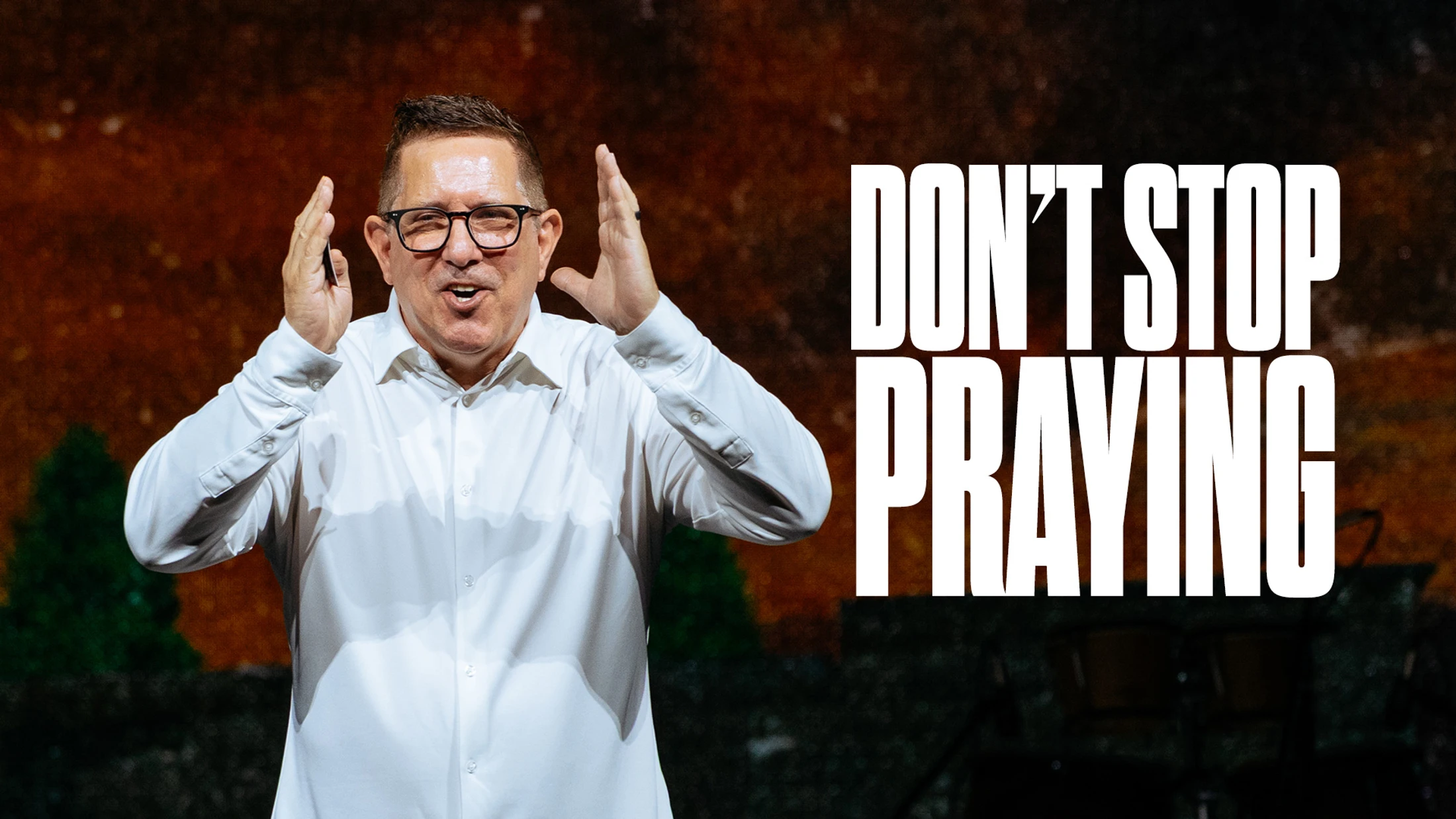
A song, a familiar smell, or even a particular sound can instantly transport us back to another moment in our lives. Certain experiences become so deeply embedded in our memories that remembering them produces an emotional response.
In Ephesians 1:15–16, the Apostle Paul describes this kind of response when he thinks about the church in Ephesus:
“For this reason, because I have heard of your faith in the Lord Jesus and your love toward all the saints, I do not cease to give thanks for you, remembering you in my prayers.”
When Paul remembered the Ephesian believers, he did more than think fondly about them. His memories moved him to thank God and pray for them.
Their faith in Jesus and love for others had created a spiritual legacy. The memory of who they were and how they treated people produced a response in Paul’s heart.
The Memories We Create Matter
Proverbs 10:7 says, “The memory of the righteous is a blessing.”
Every interaction creates an impression. Over time, those impressions become memories, and those memories often produce a response.
The Ephesian church was remembered for its faith and love. Other churches in the New Testament were remembered for division, immorality, conflict, or false teaching. Their actions shaped the way others thought about them.
The same is true for every believer and every church today.
What do people remember after encountering us? Do they remember being welcomed, valued, encouraged, and loved? Do our children associate church with joy, belonging, worship, and the presence of God?
We are creating memories that may influence how future generations understand God and His church.
God Uses Memorials to Strengthen Faith
Throughout the Old Testament, God’s people created memorials after significant encounters with Him.
Jacob set up a stone at Bethel to remember God’s presence, protection, provision, and promises. The Israelites celebrated Passover to remember their deliverance from Egypt. Joshua placed twelve stones beside the Jordan River so future generations would ask what they meant and hear the story of God’s faithfulness.
A clear biblical pattern emerges:
God acts.
His people create a memorial.
Future generations ask questions.
The story is retold.
Faith is strengthened.
Memorials help us remember what God has done so we can trust Him with what comes next.
Jesus also established a memorial through the Lord’s Supper. Communion continually reminds believers of His sacrifice on the cross and everything accomplished through His death and resurrection.
What Is Intercessory Prayer?
Paul’s memories of the Ephesian church moved him to intercession.
Intercessory prayer is more than praying about someone. It is standing before God on that person’s behalf.
It means stepping into the gap between another person’s need and God’s power. It is asking God to accomplish what only He can do while appealing to His character, promises, mercy, and will.
There are some things you cannot do for another person.
You cannot believe for them.
You cannot obey for them.
You cannot heal them.
You cannot save them.
But you can pray for them.
Intercession is love in action. It is faith on its knees. It is partnering with God on behalf of someone who needs His help.
We are not trying to convince a reluctant God to care. God already loves the people we pray for more deeply than we ever could. Intercession aligns our hearts with His and invites Him to accomplish His purposes in their lives.
Standing in the Gap
Ezekiel 22:30 provides one of Scripture’s clearest pictures of intercession:
“I looked for someone among them who would build up the wall and stand before me in the gap on behalf of the land.”
An intercessor stands in the gap.
The phrase describes someone who spiritually places themselves between a need and the answer, between danger and deliverance, or between a struggling person and the mercy of God.
The New Testament concept of intercession carries the idea of approaching a king with a petition on someone else’s behalf. Through Jesus, believers can come boldly before God’s throne—not only for themselves, but also for others.
Jesus Is Our Greatest Example of Intercession
Jesus did not only die for us. He continues to pray for us.
Hebrews 7:25 says that Jesus “always lives to make intercession” for those who come to God through Him.
Before going to the cross, Jesus prayed for His disciples in John 17. He prayed for their protection, unity, holiness, and future ministry. He also prayed for everyone who would later believe through their message.
That prayer included us.
Whenever we pray for someone else, we reflect the heart and ministry of Jesus.
Biblical Examples of Intercession
Throughout Scripture, God’s servants stood in the gap for others.
Moses interceded for Israel after the people worshiped the golden calf. Daniel confessed the sins of his nation and pleaded for restoration. Paul continually prayed for churches facing different spiritual challenges.
Paul’s prayers were not generic. He prayed according to each church’s specific needs.
He prayed for holiness among the Thessalonians, spiritual maturity among the Galatians, strength among the Romans, and spiritual knowledge among the Colossians and Ephesians.
Effective intercession pays attention to what people are facing and asks God to work in those specific areas.
Abraham’s Intercession for Lot
The story of Abraham and Lot provides a powerful example of intercessory prayer.
When God revealed that judgment was coming to Sodom, Abraham did not immediately ask for another blessing for himself. He began interceding for the city and for his nephew Lot.
Abraham asked whether God would spare the city for fifty righteous people, then forty-five, forty, thirty, twenty, and finally ten.
This was not merely bargaining. It was one person standing before God on behalf of another.
While Abraham was praying, God was already moving in Sodom.
The angels arrived. They found Lot. They warned him and urged him to leave. Even when Lot hesitated, they took him by the hand and led him out of the city.
Genesis explains Lot’s deliverance with a significant statement: “God remembered Abraham.”
God remembered Abraham’s intercession, and Lot was rescued.
While You Are Praying Here, God Is Working There
Abraham’s story should encourage everyone who is praying for someone who appears far from God.
While Abraham prayed in one location, God sent help to another.
When we intercede, God can send conviction, conversations, Christian friends, warnings, opportunities, dreams, messages, and moments that interrupt someone’s routine.
This is why we must never stop praying for prodigals. We continue praying for our children, spouses, relatives, friends, and neighbors.
We cannot save them. Only Jesus can do that. Our responsibility is to stand in the gap and pray.
One encounter with God can accomplish what years of arguments could never achieve.
Five Truths About Intercessory Prayer
1. Intercession Begins With Relationship
Effective prayer flows from a personal and growing relationship with God.
Jesus taught His disciples not to pray for attention or to impress others. Prayer begins with approaching God as our Father. It is not a performance but a relationship.
2. Intercession Flows From Partnership
Intercession is more than asking God for things. It is cooperating with Him so His purposes can be accomplished on earth.
Jesus taught us to pray, “Your kingdom come, Your will be done.”
An intercessor seeks God’s will and prays in agreement with what He desires to accomplish.
3. Intercession Reflects the Ministry of Jesus
Jesus continually intercedes for believers. The Holy Spirit also helps us pray when we do not know what to say.
Prayer is a two-way conversation. Listening matters because God provides direction, correction, revelation, and specific burdens for prayer.
4. Intercession Is Every Believer’s Responsibility
Intercession is not reserved for pastors, prayer leaders, or a small group of especially spiritual Christians.
Every follower of Jesus can pray for others and participate in God’s work.
Every believer can stand in the gap.
5. Persistent Prayer Brings Breakthrough
Spiritual breakthroughs often require faithful and persevering prayer.
Persistence does not mean that we are trying to persuade an unwilling God. Persistent prayer demonstrates faith, dependence, and confidence in His character.
Sometimes we must continue to pray until something happens.
Do Not Stop Praying
You may be praying for someone who appears completely unaware of their spiritual condition. You may have prayed for months or even years without seeing an obvious change.
Do not give up.
Pray that God will send someone. Pray that He will create a meaningful conversation. Pray that He will interrupt their routine, soften their heart, and get their attention.
Your responsibility is not to force the outcome. Your responsibility is to remain faithful in prayer.
While you are praying here, God may already be working there.
Stand in the gap. Continue to intercede. Trust God’s love, mercy, timing, and power.
Your prayers matter.